Sale Price:
$25.00
Original Price:
$30.00
This DIY PhD dissertation is no isolated work. Edited by Sarita Doe (author of Textbook for the Ecocene) and developed in conversation with multiple communities of independent scholars and writers, this collection is a retrospective labor of love that has been nurtured—and crowdfunded—by community and colleagues since 2018.
Emerging from the influence of poets such as Audre Lorde, June Jordan, Saul Williams, Allen Ginsberg, and the queer Beat generation more broadly, j. nyla ink mcneill's work reflects their inner world as an act of resistance. As a scientist, writing about oneself is often considered taboo, and work that engages directly with politics is frequently dismissed as "too political." In response, these poems surface the movements to which they belong, documenting an early departure from the path they were expected to follow.
From involvement in the movements for transgender rights, trans feminism, queer liberation, and people-powered civic action, to the pursuit of Pandemicene-tinged neighborly care and romance, j. nyla reflects on the ruptures and reckonings that moved them away from a conventional life. Beginning with poems about teenage crushes (that gradually take on a political voice), and continuing through pointed critiques of the research fields they continue to transform as an adult, the collection documents their evolution as both a thinker and a feeler.
This DIY PhD dissertation is no isolated work. Edited by Sarita Doe (author of Textbook for the Ecocene) and developed in conversation with multiple communities of independent scholars and writers, this collection is a retrospective labor of love that has been nurtured—and crowdfunded—by community and colleagues since 2018.
Emerging from the influence of poets such as Audre Lorde, June Jordan, Saul Williams, Allen Ginsberg, and the queer Beat generation more broadly, j. nyla ink mcneill's work reflects their inner world as an act of resistance. As a scientist, writing about oneself is often considered taboo, and work that engages directly with politics is frequently dismissed as "too political." In response, these poems surface the movements to which they belong, documenting an early departure from the path they were expected to follow.
From involvement in the movements for transgender rights, trans feminism, queer liberation, and people-powered civic action, to the pursuit of Pandemicene-tinged neighborly care and romance, j. nyla reflects on the ruptures and reckonings that moved them away from a conventional life. Beginning with poems about teenage crushes (that gradually take on a political voice), and continuing through pointed critiques of the research fields they continue to transform as an adult, the collection documents their evolution as both a thinker and a feeler.


 Image 1 of 6
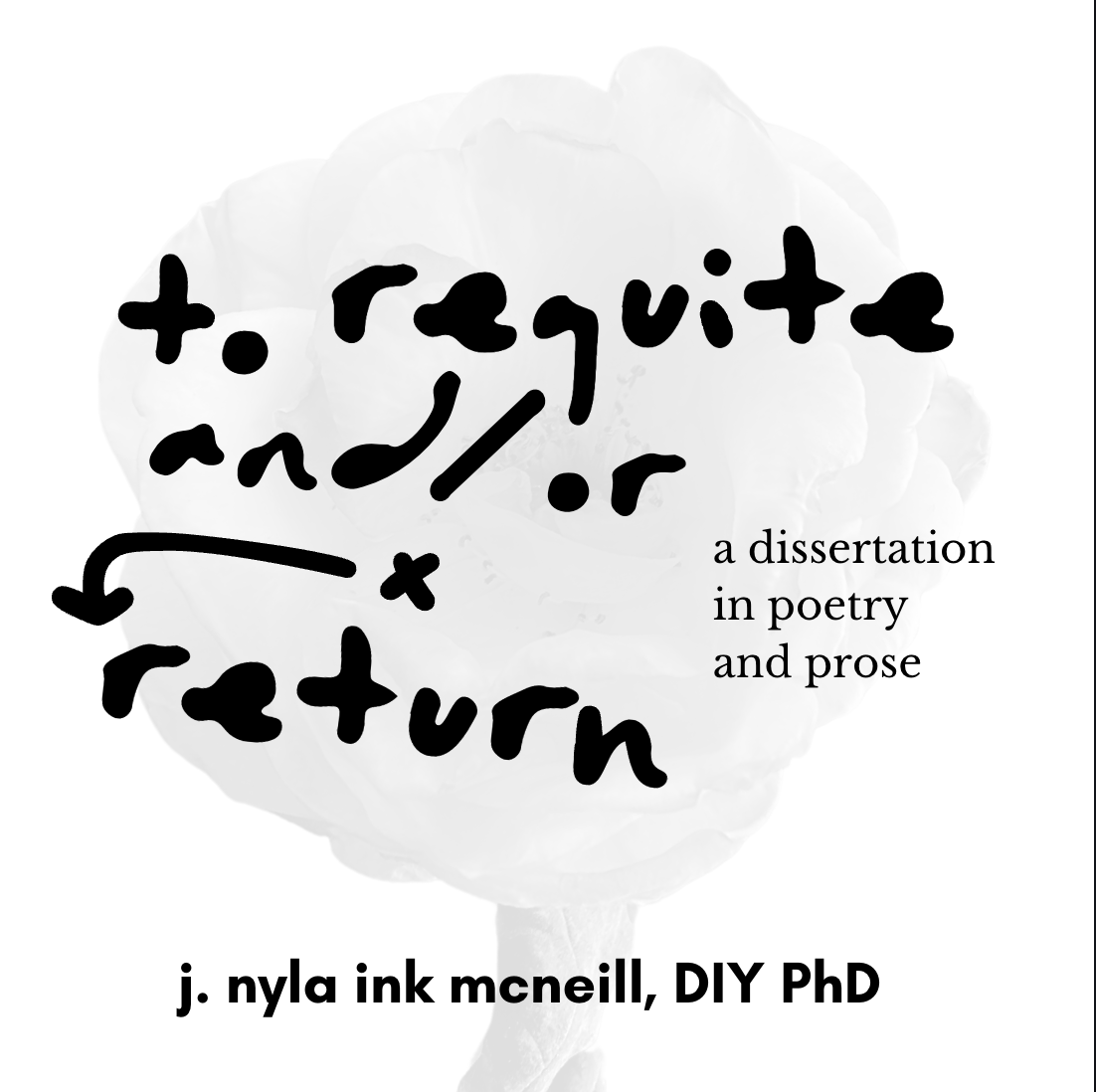 Image 2 of 6
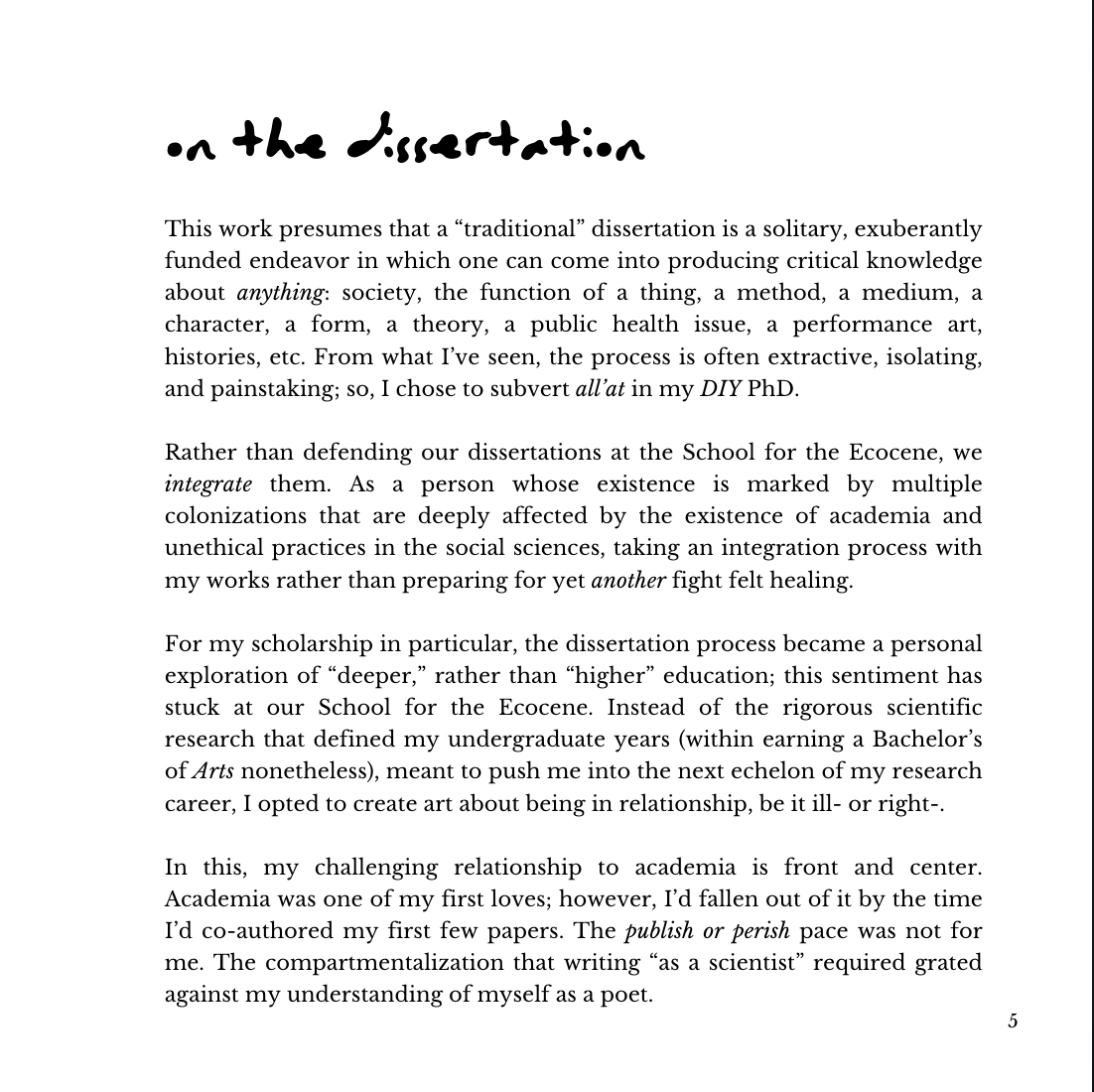 Image 3 of 6
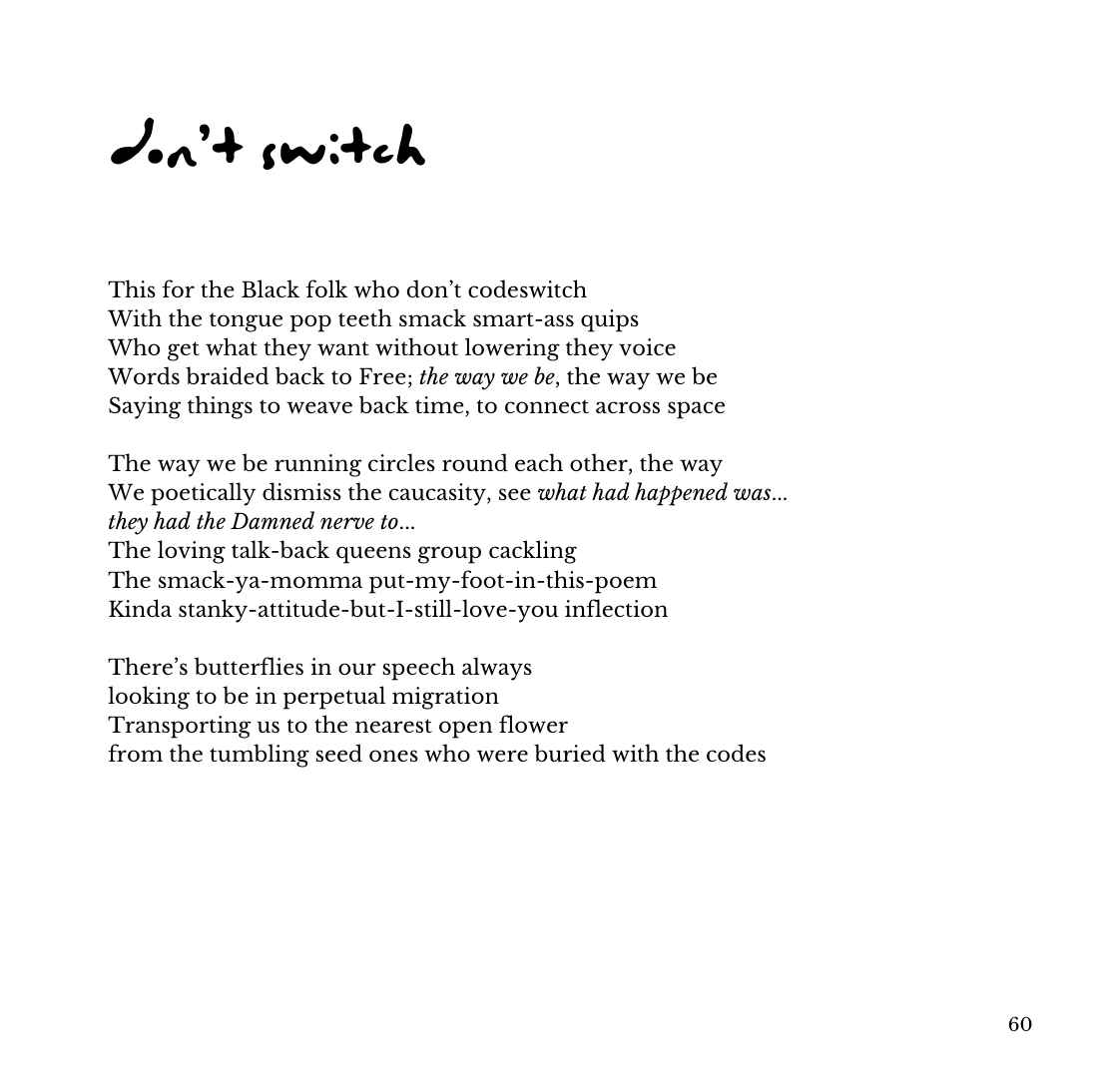 Image 4 of 6
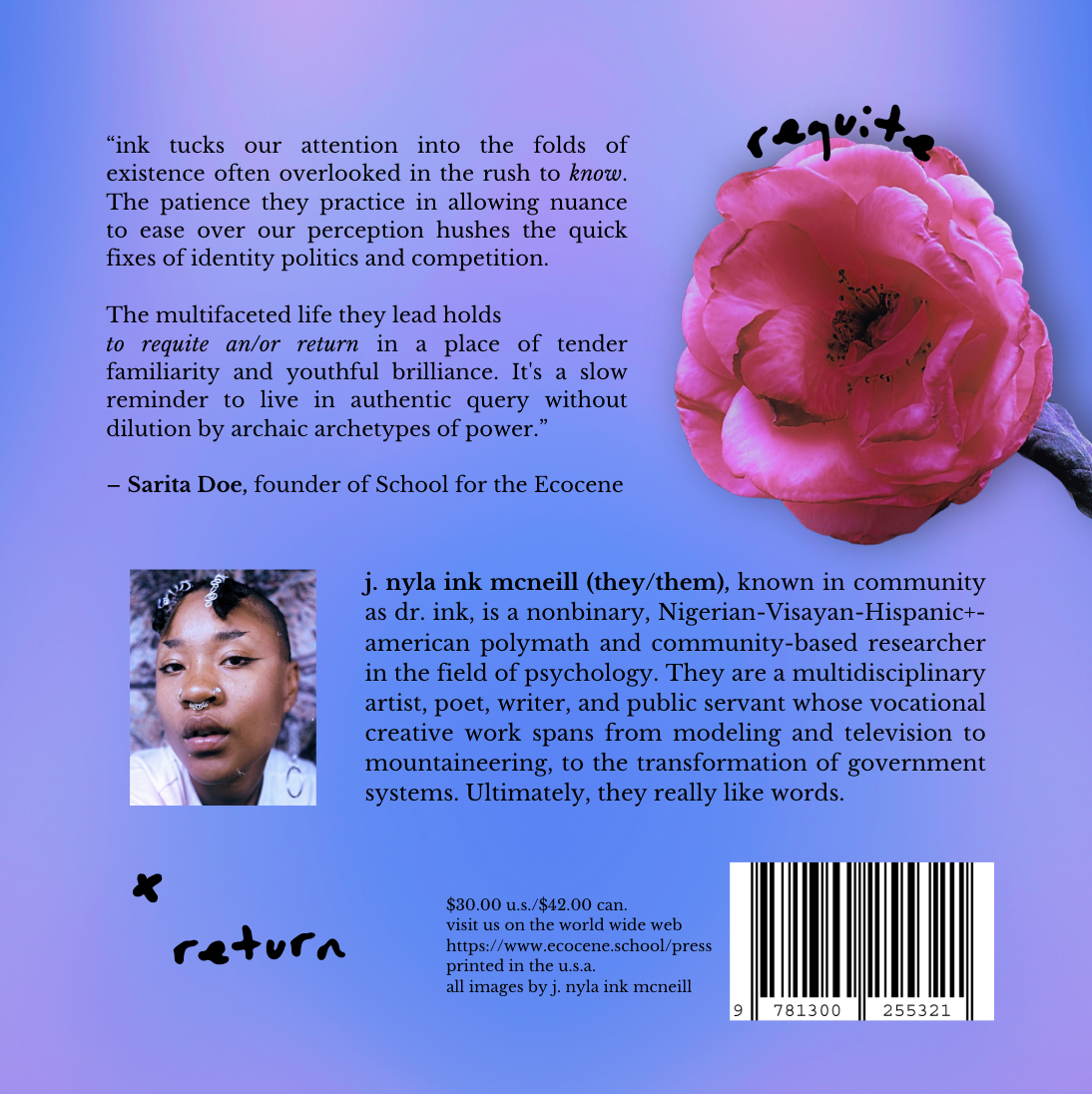 Image 5 of 6
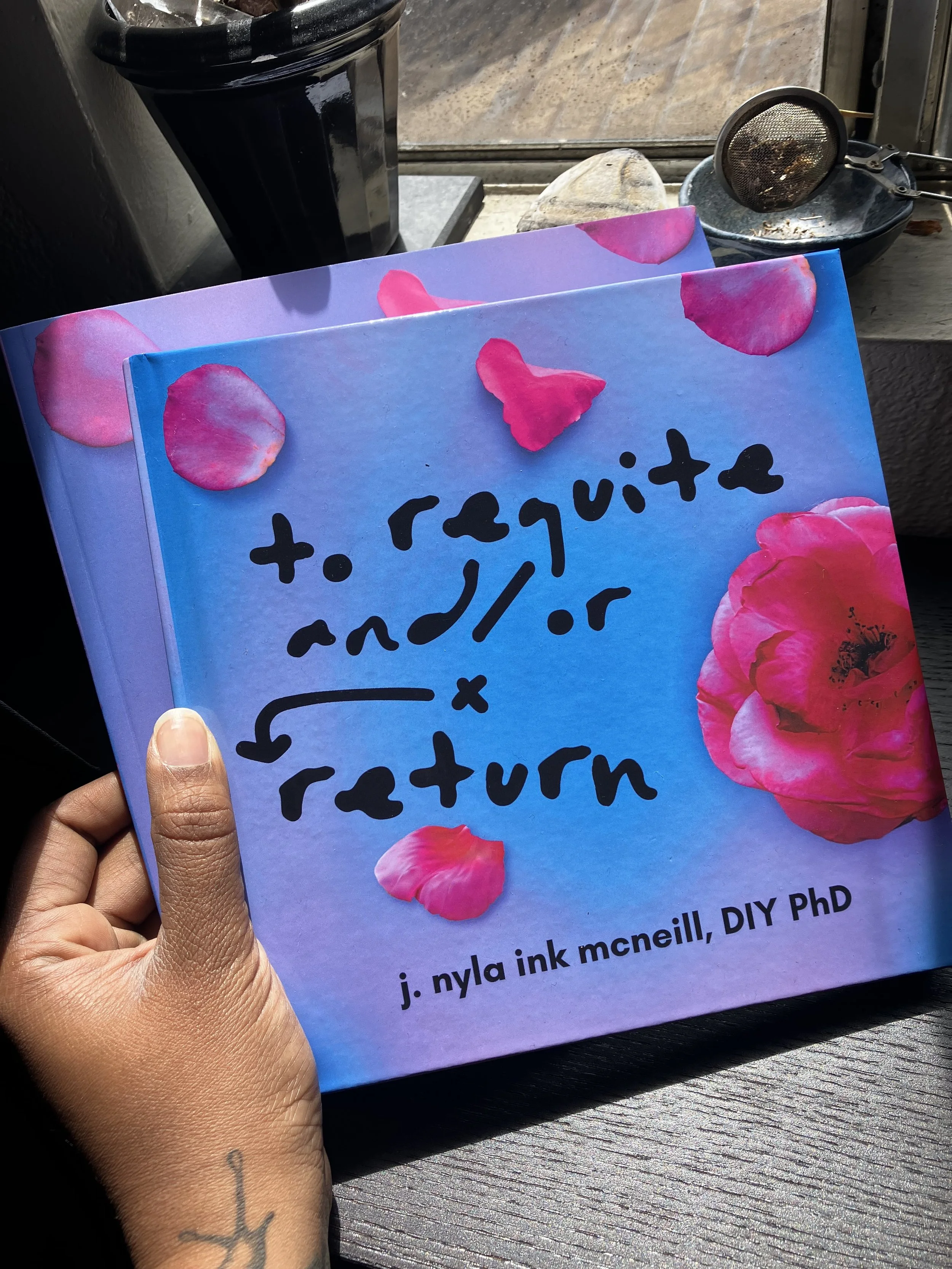 Image 6 of 6